We are available 24/7   |   Call Us to Schedule a Visit

Drainage Pipeline Problems in Napier: What Causes Them, How to Spot the Signs & Quick, Reliable Fixes

Drainage pipeline issues in Napier often start with small signs like slow sinks or gurgling drains but can quickly turn into serious backups. This guide explains the common causes, warning signs and fast fixes used across Napier and Hawke’s Bay. You’ll learn how roots, grease and foreign objects block flow, what smells and gurgling indicate, and when to choose hydro jetting, CCTV inspections, relining or excavation. We also include simple maintenance tips and an emergency checklist to help homeowners and property managers prevent repeat problems and know when to call a local drainage specialist.

Only Drains: local service note

Only Drains is a Hawke’s Bay drainage team serving Napier, Hastings and surrounding suburbs with 24/7 drainlaying and unblock services for homes, businesses and industrial sites. Our core services include drain unblocking, CCTV inspections, drain repairs, hydro jetting and tree root cutting, and we aim for rapid response—often under two hours for urgent jobs. We use modern equipment, back our work with a satisfaction promise, and run specials like a $70 NZD drain unblocking offer plus a 15% senior citizens discount. Read on for clear, practical guidance about causes, signs and fixes, and the steps to get fast help when you need it.

What Are the Most Common Causes of Drainage Problems in Napier?

In Napier, most drainage problems come from three sources: things entering the pipe, materials building up inside, and structural pipe faults. Local soils and plantings in Hawke’s Bay make root intrusion more likely, while everyday habits add grease and debris that form stubborn blockages. Ground movement, older materials and poor joins create cracks and offsets that trap solids and speed up deterioration. Knowing these causes helps pick the right diagnostic tool and the correct repair. Below is a short summary of the usual culprits and why they matter.

Common local causes of pipeline problems:

  • Tree root infiltration: Roots find joints and cracks, then grow in and block flow.
  • Grease and fat buildup: Oils congeal, narrow the pipe and catch solids.
  • Foreign objects and waste: Wipes, sanitary items and other debris form mechanical blockages.
  • Pipe damage and ground movement: Cracks, offsets and collapses alter flow and cause backups.

These problems often occur together, so targeted diagnostics are important before any major repair. Identifying the root cause makes it easier to choose the right fix and prevent repeat issues.

How Do Tree Roots Cause Blocked Drains in Napier?

Tree roots seek moisture and enter pipes through joints, cracks or offsets, gradually narrowing the pipe bore. Over time they form dense mats that trap grease and solids, turning a slow restriction into a full blockage and weakening the pipe. A CCTV inspection is usually required to see where roots are growing and how bad the damage is; that information decides whether root cutting, relining or excavation is needed. Catching root intrusion early often avoids digging up gardens — leaving it can mean repeated blockages and eventual structural failure.

Root problems link directly to removal choices: mechanical cutting, hydro jetting and relining each have a role depending on what CCTV shows.

What Role Do Grease, Foreign Objects, and Pipe Damage Play in Drain Blockages?

Grease and fats cool and stick to pipe walls, forming a tough lining that reduces capacity and traps hair and debris. Items like so‑called ‘flushable’ wipes, sanitary products, cotton buds and toys can jam at junctions or offsets and trigger sudden stoppages or act as a nucleus for further build-up. Physical damage — cracks, offsets, corrosion or partial collapse — creates pockets where solids collect and makes mechanical clearing less effective. Preventing these problems needs both better habits at the drain and regular inspections to catch structural faults early.

Understanding these material causes helps you spot likely symptoms and take action before an emergency.

How Can You Recognise Warning Signs of Drainage Issues in Hawke’s Bay?

Early warning signs usually show as slow drains, strange noises or smells, and surface water where it shouldn’t be. Spotting these early cuts repair complexity and cost. Matching symptoms to likely causes helps you decide what to do: slow drains point to partial blockages from grease or hair, gurgling suggests trapped air or partial backflow, and bad odours often mean stagnant waste or broken seals. Property managers should watch for persistent or recurring faults and call for CCTV diagnostics when problems repeat. The checklist below helps you prioritise action and know when to call a pro.

Warning signs checklist:

  • Slow draining sinks, showers or toilets that don’t clear with basic DIY fixes.
  • Foul odours from drains or outside gully traps — a sign of stagnant sewage.
  • Gurgling noises from traps or appliances, indicating trapped air and partial blockages.
  • Water pooling near foundations or in yards — could be stormwater or sewer overflow.
  • Recurrent blockages in several fixtures, suggesting a mainline issue.

If you see several signs together, get a professional diagnostic rather than relying on temporary DIY fixes. The right diagnosis avoids needless excavation and targets the correct repair.

What Are the Symptoms of Slow Draining Sinks, Toilets, and Showers?

Slow drains often start as a mild drop in flow and worsen as grease, hair and soap scum reduce the pipe diameter. A sink that slows after hot water often signals a grease lining; showers clogged by hair show repeat partial blockages. Plungers, trap cleaning and enzyme cleaners can help short-term, but recurring problems usually need CCTV to rule out root intrusion or structural faults. Note how often and when the symptoms occur — that information helps technicians prioritise CCTV and pick the best fix.

Address persistent slow drains early: prolonged restriction raises joint stresses and speeds up pipe failure, making repairs more complex and costly.

How Do Foul Odours, Gurgling Noises, and Water Pooling Indicate Drain Problems?

Foul odours commonly mean stagnant wastewater, broken seals or blocked ventilation — sewer gas can be hazardous and needs prompt attention. Gurgling happens when air is trapped and forced through partially blocked pipes or when traps lose their water seal, showing the system can’t vent normally. Surface pooling after rain or during normal use suggests blocked stormwater drains or gullies, which can cause overflow and damage to foundations or landscaping. Each symptom carries a different urgency: odours and pooling often need faster containment to avoid environmental or structural harm.

Knowing these signs helps homeowners take immediate safety steps — ventilate rooms, avoid using affected drains and call specialists if conditions are hazardous.

What Are the Fast and Effective Fixes for Drainage Pipeline Problems in Napier?

Fixes fall into three stages: diagnosis, clearance and repair. CCTV inspections are the diagnostic backbone — they show location, cause and extent of damage and guide whether hydro jetting, rodding, relining or excavation is best. Hydro jetting blasts grease, roots and debris with high‑pressure water and is usually paired with CCTV to confirm clearance. Trenchless relining repairs cracks and offsets without digging but needs a sound host pipe; excavation is for collapsed or badly displaced lines. The table below summarises these approaches, typical downtime and when each is used to help you weigh options.

Comparison of common remediation approaches:

ApproachWhat it fixesTypical downtimeWhen it’s used
Hydro jettingGrease, soft roots, debrisHours to a dayWhen the pipe is clogged but structurally sound
CCTV inspectionDiagnostics onlySame day reportAlways before major repair decisions
Pipe relining (trenchless)Cracks, minor offsets1–2 daysTo repair defects without excavation
Drain roddingLocalised blockagesSame dayQuick mechanical clearing of soft obstructions
Excavation & repairCollapsed or badly offset pipesSeveral daysWhen full structural replacement is required

Less invasive methods reduce downtime but rely on good diagnostics; excavation is definitive but disruptive. Typical sequencing is CCTV first, targeted clearance, then repair — that minimises unnecessary work and cost.

How Does Hydro Jetting Clear Stubborn Blockages Quickly?

Hydro jetting uses a specialised nozzle to deliver high‑pressure water that cuts and flushes grease, scale and root fragments from the pipe wall, restoring the full bore. It’s especially useful for congealed fats, compacted solids and root debris that resist rodding. When paired with CCTV, operators can confirm the pipe is clear. Hydro jetting is fast, cuts repeat visits and — when run at the right pressure by trained staff — won’t damage pipes. It’s not suitable for severely collapsed lines, though; those need structural repair first.

Deciding on hydro jetting depends on CCTV evidence and the pipe condition — inspection is essential before using high pressure.

When Are CCTV Drain Inspections and Pipe Relining Used for Repairs?

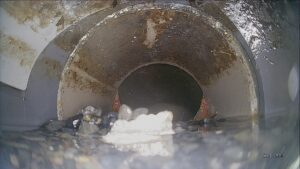
CCTV inspections record internal footage that pinpoints cracks, intrusions, offsets and blockages so repairs are planned accurately and costed properly. If CCTV shows linear cracks or isolated defects and the host pipe is intact, trenchless relining can install a new structural liner that seals leaks and smooths the bore without excavation. Relining offers long service life with minimal surface disruption, but excavation is still necessary for collapsed, badly offset or unsuitable pipes. Using CCTV and relining together reduces uncertainty and lets property owners choose the least disruptive long‑term solution.

These diagnostic and trenchless options help avoid guesswork and enable repairs that match the underlying problem, not just the symptoms.

When Should You Use Emergency Drain Unblocking Services in Napier?

Call emergency drain unblocking when there’s immediate risk to health, property or environmental compliance — situations where DIY measures won’t contain the problem. True emergencies include active sewage overflow inside or outside buildings, severe backups across multiple fixtures, major stormwater blockages causing rapid flooding, and any condition that threatens contamination. In those cases rapid‑response crews perform on‑site triage, temporary containment or pump‑out, and CCTV diagnosis to plan repairs. The table below links common emergency symptoms to immediate actions and what to expect from professionals.

Emergency response mapping:

Symptom / ScenarioImmediate actionExpected professional response
Sewage overflow in buildingEvacuate affected areas and limit useRapid triage, containment, pump‑out and CCTV
Severe backups across fixturesStop using fixtures and isolate drainsOn‑site unblock and diagnostic assessment
Stormwater flooding on propertyProtect valuables and landscapeDebris clearing, temporary diversion and inspection
Visible collapsed pipeAvoid ground traffic and notify prosSecure the site, apply temporary measures, and plan repairs

Escalating to emergency service at the right time prevents health risks and reduces long‑term repair costs by containing damage early. The goal is to stabilise the situation, limit contamination and plan a safe, effective repair.

What Does 24/7 Rapid Response Drainlaying Service Include?

A 24/7 rapid‑response visit starts with a safety first triage: technicians assess risks, isolate affected drains and put in temporary containment to stop further discharge. They then run on‑site diagnostics — usually CCTV — and carry out immediate unblocking with rodding, pumping or hydro jetting where safe. After emergency clearance they give a clear estimate for any follow‑up work and explain short‑term steps you can take. Rapid response focuses on clear communication, quick containment and diagnostic evidence so an emergency becomes a manageable repair job.

Knowing what to expect on arrival means property owners can prepare details and speed up the process while crews secure the site.

How Are Emergency Stormwater and Sewer Line Blockages Handled?

Stormwater emergencies are handled by clearing surface debris, opening gullies and restoring flow — often using temporary diversions or pumps until full clearance is arranged. Sewer emergencies need controlled treatment to protect health and the environment: crews secure the area, contain sewage, pump out if required and use CCTV to locate the blockage and assess pipe integrity. If temporary measures aren’t enough, immediate repairs — hydro jetting, patch relining or excavation — are scheduled to restore safe operation. Environmental and public‑health concerns guide the choice of short‑ and long‑term actions to limit contamination.

Emergency procedures prioritise people and the environment while allowing a quick move to diagnostic‑led repairs.

How Can Preventative Drain Maintenance Help Avoid Future Problems in Hawke’s Bay?

Preventative maintenance cuts the chance of disruptive blockages and lengthens pipe life by combining routine cleaning, scheduled inspections and sensible on‑site habits that suit local conditions. Regular CCTV catches early cracking, spring root growth or offsets before they block, while planned hydro‑jetting removes grease and sediment that build up over time. Simple steps — correct waste disposal, grease capture in kitchens and clearing gutters — significantly reduce blockages in stormwater and sewer systems. The schedule below gives practical frequencies so property managers can run a cost‑effective regime that lowers emergency call‑outs.

Recommended maintenance schedule:

TaskRecommended frequencyNotes
CCTV drain inspectionAnnually for older systems; every 2–3 years for newer installsIncrease frequency after repeated problems
Hydro-jetting / cleansing1–3 years depending on risk profileMore often for commercial kitchens
Gutter and stormwater clearingBiannually or after major stormsPrevents debris entering storm drains
Grease management (kitchen traps)Weekly to monthlyInstall and service grease traps where required

Following this schedule helps spot defects early and prevents the slow build‑up that leads to costly excavation. Targeted CCTV lets you plan repairs instead of reacting to emergencies.

What Regular Cleaning and Inspection Practices Are Recommended?

Combine good habits — don’t flush non‑biodegradables, capture kitchen grease — with scheduled professional services like trap cleaning, rodding and hydro‑jetting for higher‑risk sites. Homes with older pipes should consider annual CCTV and hydro‑jetting every 1–3 years depending on grease exposure; commercial kitchens usually need more frequent cleansing. Keep records of maintenance so technicians can spot trends and adjust intervals, reducing repeat call‑outs and lifecycle costs. Proactive inspection and cleaning are cost‑effective because they let you use targeted, less invasive repairs before failures occur.

These routine practices work alongside CCTV to create a maintenance programme that reduces surprises and preserves pipe condition.

How Do Routine CCTV Inspections and Maintenance Prevent Blockages?

Routine CCTV shows developing problems — small cracks, root intrusions or offsets — so you can relined or remove faults long before a full blockage. CCTV data helps maintenance teams prioritise work, schedule relining where needed and avoid unnecessary excavation by confirming host‑pipe suitability for trenchless fixes. Early, planned maintenance often costs less than emergency repairs and preserves landscaping and infrastructure. Over time, a CCTV‑backed programme reduces emergency incidents, extends service life and delivers measurable savings.

This diagnostic‑led approach proves that investing in inspection saves money and avoids repeated emergencies.

High-pressure jetting inside a drainage pipeline to clear blockages and prepare the area for tree root cutting and drainage pipeline maintenance.

Why Choose Only Drains for Drainage Pipeline Problems in Napier and Hawke’s Bay?

Only Drains is a local specialist that pairs quick availability with modern tools to diagnose and fix drainage problems across Napier and the Hawke’s Bay. We offer 24/7 cover and aim to respond within two hours for urgent cases, backed by CCTV inspection, hydro jetting, pipe relining and root cutting. We also provide a customer satisfaction promise and run offers like a $70 NZD drain unblocking special and a 15% senior citizens discount to make prompt service easier to access. For homeowners and property managers who want fast containment plus diagnostic‑led repairs, Only Drains is a practical local choice.

Choosing a provider that combines accurate diagnostics with rapid mobilisation reduces unnecessary excavation, shortens downtime and ensures the repair matches the underlying cause rather than only treating symptoms.

What Makes Only Drains’ 24/7 Service and Fast Response Unique?

Our 24/7 rostering focuses on triage and containment first, then on‑site diagnostics to plan an efficient repair that cuts repeat visits and downtime. Rapid mobilisation secures the site, contains contaminants and provides a prompt estimate for any corrective work. Serving Napier, Hastings and the wider Hawke’s Bay means our teams understand local soil, vegetation and weather factors that affect drains — helping us choose the right diagnostic and repair tools. This blend of speed and diagnostic rigour aims to deliver quick relief with durable results.

Fast containment paired with accurate diagnosis lowers total repair costs and limits landscape disruption.

How Do Latest Tools and Customer Satisfaction Guarantee Benefit You?

Modern tools — high‑definition CCTV, controlled hydro‑jetting systems and trenchless relining — improve accuracy, reduce invasive work and speed return‑to‑service. These technologies let technicians confirm clearance, pick the right repair method and document outcomes for owners, giving confidence in the work performed. Our customer satisfaction guarantee shifts risk away from you by committing us to resolve issues until you’re happy, which promotes accountability and fewer repeat problems. Together, technology and guarantees deliver faster diagnosis, less invasive repairs and greater peace of mind.

Technical capability combined with service commitments gives a clear path from early detection to dependable resolution.

Immediate steps if you see a major sewer overflow

  • Avoid exposure, ventilate enclosed areas and do not use affected drains.
  • Protect valuables and move them away from contaminated areas.
  • Contact emergency drainage professionals for containment and pump‑out.
  • Document the incident for insurance and maintenance planning.

This short checklist helps homeowners and managers act quickly during emergencies, limit harm and enable a faster professional response.

Maintenance and prevention checklist:

  • Annual CCTV inspections for older systems and higher‑risk sites.
  • Hydro‑jetting every 1–3 years for properties with moderate‑to‑high grease exposure.
  • Regular gutter and stormwater clearing, especially after storms.
  • Immediate professional assessment after repeated blockages or persistent foul odours.

Adopting these checks reduces emergency incidents and extends the working life of drains in Napier and the Hawke’s Bay.

Final note: if you need a rapid diagnostic or emergency unblock, pick a provider who combines 24/7 mobilisation with CCTV‑backed decisions so the repair addresses the root cause — not just the symptom.

Frequently Asked Questions

What should I do if I notice multiple warning signs of drainage issues?

If you notice several warning signs — slow drains, bad odours, gurgling or water pooling — act promptly. These often signal a more serious issue that can worsen if ignored. Record when and how often symptoms occur and book a professional CCTV inspection to diagnose the problem. Early action can prevent costly repairs and bigger damage, so contact a drainage specialist without delay.

How often should I schedule preventative maintenance for my drainage system?

Maintenance depends on pipe age and use. For older systems, annual CCTV inspections are recommended; newer installs can be checked every 2–3 years. Hydro‑jetting is typically done every 1–3 years, more often where grease is common. Regular maintenance helps catch problems early and extends the life of your drainage system.

What are the risks of ignoring drainage problems?

Ignoring drainage issues can lead to property damage, health hazards and high repair bills. Blocked drains may cause sewage backups and contamination, while ongoing problems can weaken structures and require expensive excavation and replacement. Addressing issues early reduces those risks and long‑term costs.

Can I perform my own drain maintenance, or should I hire a professional?

Homeowners can handle basic tasks like clearing surface debris and using enzyme cleaners, but professionals are needed for thorough inspections and complex repairs. Technicians have CCTV, hydro‑jetting and repair tools to diagnose and fix problems safely and effectively. Hiring a specialist lowers the chance of recurring issues and reduces costly mistakes.

What should I look for when choosing a drainage service provider?

Look for experience, a clear list of services, and good local reviews. Choose companies offering 24/7 emergency help and modern diagnostics like CCTV. A satisfaction guarantee and transparent pricing are also important. Ask about response times and whether you’ll get a detailed estimate before work starts.

How can I prevent tree roots from damaging my drainage system?

Plant trees well away from drains and consider root barriers when installing new lines. Regular inspections catch early root intrusion so it can be cut or managed before bigger problems develop. If roots are already present, professionals can cut roots or reline pipes to limit damage. Healthy, well‑maintained trees are less likely to produce aggressive roots searching for moisture.

What are the benefits of using hydro jetting for drain cleaning?

Hydro‑jetting effectively removes stubborn blockages from grease, roots and debris using high‑pressure water without harming pipes when operated correctly. It restores the pipe’s full diameter, improves flow and reduces the likelihood of repeat blockages. Often it can be completed in a single visit, minimising disruption to your property.

Conclusion

Keeping drainage pipelines working in Napier is essential for property safety and peace of mind. Timely action prevents costly repairs and environmental problems. By understanding causes, spotting the warning signs and using the right fixes — backed by local experts — homeowners and property managers can stay ahead of issues. If you need immediate help or want to book a preventative check, contact our team today for fast, CCTV‑backed service.