Blocked drains and damaged pipelines caused by tree roots are a common issue in Hastings. This guide breaks down why roots enter pipes, how they cause blockages, and the modern solutions used today, including CCTV inspection, hydro jetting and trenchless relining. You’ll learn the key steps technicians follow — diagnose, inspect, cut roots, clear and repair — plus how to spot early signs and decide between clearing or full repairs. It also covers when relining is better than excavation and simple prevention tips for homes and businesses. Keywords included: blocked drain services, tree root cutting, hydro jetting Hastings, CCTV drain inspection Hastings and drain relining Hastings.
What Are the Common Causes and Signs of Blocked Drains in Hastings?
Drains block when something — either a material build-up or a structural issue — interrupts normal flow. Common causes include tree roots, grease buildup, foreign objects, pipe collapse and sediment. Roots seek moisture and exploit tiny cracks or loose joints; grease sticks to pipe walls and narrows the bore; collapsed or corroded sections restrict flow and increase backpressure. Spotting problems early stops them becoming sewage backups or costly excavations, so recognising symptoms quickly matters. Use the checklist below to judge urgency and decide whether to book a routine inspection or call for immediate help.
Common observable symptoms in Hastings properties include:
- Slow draining sinks or baths: A sign that a partial blockage is forming in household drains.
- Gurgling noises from drains or toilets: Air trapped behind restricted flow often causes gurgling.
- Bad odours near drains or outside gullies: Persistent smells usually mean organic build-up or sewer gas escaping.
- Localised wet patches or sinkhole signs in yards: Could indicate a leaking or collapsed pipe.
- Sewage backups into fixtures: A serious issue that needs immediate attention.
- Raised water levels in stormwater drains after rain: Often points to restricted downstream flow from roots or sediment.
Knowing these signs leads directly into how roots enter pipes and what inspectors look for on CCTV footage.
How Do Tree Roots Infiltrate and Damage Drainage Pipelines?
Tree roots find pipes by following moisture and nutrients. They slip in through hairline cracks, loose joints or imperfect seals, then branch and thicken inside the pipe. That root mass narrows the pipe, catches debris and speeds up blockage. Over time roots can misalign pipes, fracture brittle materials and even cause collapse. A common example is a mature poplar or willow planted near an old jointed clay sewer — roots can colonise the joint and cause repeated blockages until the entry point is repaired or the pipe is relined.
That progression is why early detection helps: a small root invasion is often fixed with targeted cutting and jetting, while long-term infestations usually need structural repair or relining to stop recurrence.
What Are the Symptoms of Blocked or Damaged Drains in Residential and Commercial Properties?
Symptoms depend on severity and usage but follow a clear scale from mild restriction to full system failure. Homes often notice slow drains and occasional odours first. Commercial sites, with higher flows, can suffer fast backups and surface ponding. Immediate actions include stopping water-heavy activities, safely checking trap plugs, and arranging a CCTV inspection to locate the problem. If sewage is backing into rooms or flooding keeps happening, call an emergency service right away to protect health and property.
Matching symptom severity to the right response reduces repair costs and downtime, and it leads to how professionals locate and remove root blockages efficiently.
How Does Only Drains Perform Tree Root Cutting and Drain Unblocking in Hastings?
Our approach starts with a clear diagnosis, then targeted removal and verification to restore flow with as little disruption as possible. First, a CCTV drain inspection pinpoints root ingress and maps pipe condition. Technicians then choose the best removal method — hydro jetting to flush debris and cut light roots, or cutting heads and augers for embedded roots — and run a verification pass with CCTV to make sure the line is clear. After service we check downstream flow and recommend prevention steps like relining or root barriers if needed. This stepwise method cuts repeat call-outs and protects pipe integrity.
Only Drains applies this diagnostic-to-prevention workflow across Hastings and greater Hawke’s Bay, backed by 24/7 response and modern kit such as CCTV systems and high-pressure hydro jetters. Our focus is accurate diagnosis, targeted removal and verification to avoid unnecessary excavation and recommend long-term fixes when required. To get a quote or book tree root cutting or drain unblocking, contact Only Drains by phone — we cover Hastings, Napier and the wider Hawke’s Bay. Below we compare common unblocking methods and their typical uses.
Introductory table comparing unblocking approaches:
| Method | Typical Pressure/Tool | Best for | Time to Complete |
|---|---|---|---|
| Hydro jetting | High-pressure nozzle (1000–4000 psi range) | Grease, sediment and light to moderate root intrusion | 1–3 hours |
| Mechanical cutting | Rotating cutters and augers | Dense root masses and solid obstructions | 1–4 hours |
| Snaking / auger | Manual or portable auger | Small blockages like hair and light debris | 30–90 minutes |
| Chemical cleaners | Commercial chemical solvents | Minor organic build-up (not suitable for roots) | 30–60 minutes |
What Technologies Are Used for Effective Tree Root Removal and Drain Clearing?
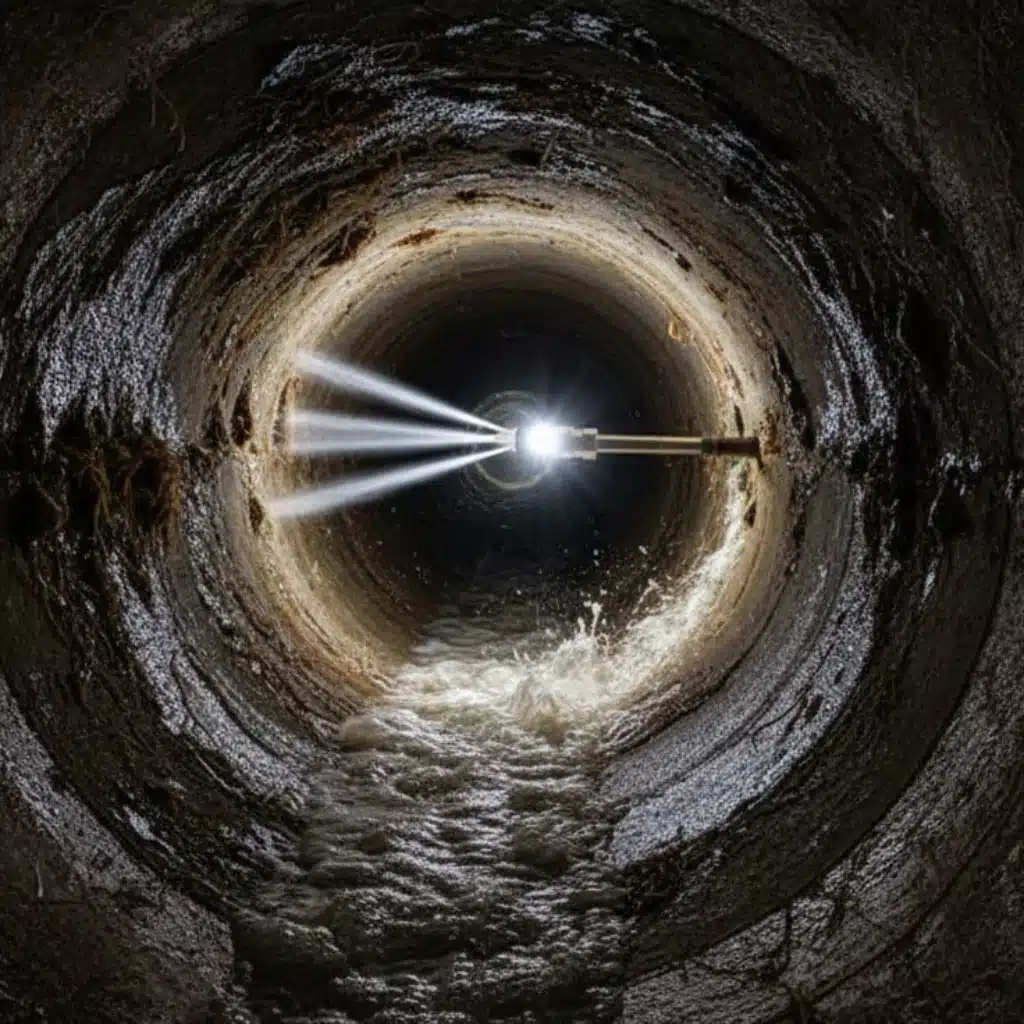
Modern root removal combines CCTV inspection, high-pressure hydro jetting and mechanical cutting tools for precise diagnosis and treatment. CCTV cameras give a clear view of root ingress, joint failure or collapse so technicians can target work without guessing. Hydro jetting cuts roots and flushes debris, while mechanical cutters or augers tackle tough fibrous masses that resist water pressure. Each tool has trade-offs: jetting is non-invasive and effective for many blockages, cutters deliver brute force for heavy roots, and CCTV guides both choice and verification.
Using the right tool in the right order — inspect with CCTV, remove with hydro or mechanical cutting, then verify with camera — ensures a thorough and documented job.
How Does Hydro Jetting Compare to Traditional Drain Clearing Methods?
Hydro jetting differs from snaking and chemical cleaning by combining cutting action with flushing to restore the full pipe diameter and remove residues stuck to the wall. Compared with snaking, jetting is more thorough for grease and sediment because it cleans the pipe surface rather than just making a channel; compared with chemicals, jetting avoids harsh substances that can harm the environment. The main downside is the need for skilled operators and care in weakened pipes. In practice, hydro jetting is the preferred option for persistent slow drains, commercial kitchen lines and many root-intrusion cases, while mechanical cutting is reserved for heavy root masses.
Decision rule: choose hydro jetting for a thorough, non-chemical clean verified by CCTV; use mechanical cutting when roots are too dense for water pressure alone.
Why Is CCTV Drain Inspection Essential for Pipeline Diagnosis and Repair in Hastings?
CCTV inspection gives objective visual evidence of pipe condition — showing root entry, cracks, offsets or collapses — which directly informs repair choices and reduces unnecessary digging. A camera head records footage as it travels the pipe; technicians review this to classify defects and decide between relining, spot repairs or replacement. This accuracy shortens repair times, lowers costs and provides documentation for insurance or council discussions. Regular CCTV checks also act as preventative maintenance, catching problems before they become emergencies.
Below is a practical table mapping common CCTV findings to likely causes and next steps so property owners can understand footage outcomes.
Introductory CCTV outputs table:
| Observed Issue on Camera | How it Appears on Footage | Recommended Next Step |
|---|---|---|
| Root intrusion | Filamentous growth entering joints or wrapping the pipe wall | Mechanical cutting or hydro jetting, then reassess for relining |
| Hairline crack / joint gap | Narrow linear fissure or a visible offset at a joint | Monitor if minor; relining or spot repair if it’s getting worse |
| Pipe collapse / severe misalignment | Flattened or missing pipe sections and debris build-up | Consider excavation and replacement where relining won’t restore shape |
| Grease build-up | Thick coating on the pipe wall reducing diameter | Hydro jetting followed by a scheduled maintenance plan |
How Does CCTV Inspection Identify Tree Root Infiltration and Pipe Damage?
On camera footage, root ingress shows up as fine, filament-like growths entering joints or growing along the pipe wall, often trapping debris. Cracks appear as linear separations, and offsets show as misaligned pipe segments. Experienced operators can tell if roots are active (moist, white tips) or historic (dry, fibrous) and judge whether the pipe’s structure is compromised. That visual diagnosis tells us whether clearing is enough or whether structural work like relining or excavation is needed.
Accurate footage interpretation reduces unnecessary digging and focuses repairs where they’ll last.
What Are the Benefits of Early Drainage Pipeline Inspections?
Early and regular CCTV inspections pay off: they find small defects before they need expensive excavation, let you plan staged repairs, and cut emergency call-outs by spotting high-risk sections. Regular checks also extend pipeline life by allowing timely cleaning and relining, and they help meet New Zealand plumbing standards. For Hastings homeowners and property managers, schedule inspections after heavy storms or before planting large trees to manage risk cost-effectively.
Those preventative insights help owners decide if trenchless methods or excavation are the right path.
What Drainage Pipeline Repair and Relining Options Are Available in Hastings?
Repair choices include spot repairs, trenchless relining and full excavation and replacement. The right option depends on pipe condition, access and how long you want the fix to last. Spot repairs address local defects with minimal disruption; relining installs a cured-in-place pipe (CIPP) to restore strength without digging; full excavation replaces the pipe when collapse or misalignment prevents successful lining. Factors include pipe material, degree of deformation and your landscaping priorities. The comparison table below summarises these trade-offs for Hastings property owners.
Repair options comparison table:
| Repair Option | Disruption Level | Typical Lifespan | Best-used When |
|---|---|---|---|
| Spot repair | Low to moderate | 5–15 years | Localised cracks or joint leaks |
| Trenchless relining | Low disruption | 25–50 years | Continuous pipe with structural weakness but intact alignment |
| Full excavation & replacement | High disruption | 50+ years (with new materials) | Severe collapse, major misalignment or multiple failures |
When Is Drain Relining Preferred Over Traditional Excavation Repairs?
Relining is the better choice when the host pipe’s alignment is largely intact and a continuous liner can restore strength without removing surrounding surfaces. Key criteria are manageable deformation, no severe collapse, and a desire to avoid damaging landscaping or driveways. Excavation is necessary when sections are flattened, badly offset or the pipe shape prevents effective lining. Relining is usually quicker and less disruptive; excavation gives a full replacement when lining can’t guarantee performance.
This framework helps produce clear quotes and prepares property owners for the likely scope of work.
How Does Only Drains Ensure Long-Term Pipeline Integrity After Repairs?
Long-term integrity comes from verification and a sensible maintenance plan. After any repair or relining we run CCTV to confirm the defect is fixed and the liner or patch is correctly seated. Pressure or flow tests complement visual checks to ensure the system performs hydraulically. Only Drains follows a verification-first approach, then recommends a tailored maintenance schedule — such as periodic jetting or scheduled CCTV checks — to reduce recurrence. These steps extend repair life and help owners budget for ongoing upkeep.
Clear next steps and visible service options make it easy for homeowners to move from diagnosis to booking a repair when needed.
How Can Hastings Property Owners Prevent Tree Root Damage and Blocked Drains?
Prevention is about inspections, thoughtful planting and simple maintenance to lower root pressure and debris build-up. Regular CCTV checks spot early ingress, while good habits — like not pouring grease down sinks and using strainers — reduce the material that helps roots and grease form blockages. Landscaping matters: avoid planting aggressive-rooting species close to drain runs and consider root barriers for valuable trees. The checklist below gives an easy maintenance routine owners can follow now.
Recommended maintenance checklist:
- Monthly: Check visible gully pits and stormwater outlets for leaves and clear debris.
- Quarterly: Run hot water down kitchen drains and use a strainer to catch solids.
- Annually: Book a CCTV inspection of main drains and consider hydro jetting for high-use lines.
- Before planting: Place trees several metres from known drain runs and consult inspection records.
Following this routine reduces emergency call-outs and helps your pipes last longer, which leads naturally to considering specific prevention tools like root barriers.
What Maintenance Tips Help Avoid Tree Root Infiltration in Drainage Systems?
Simple, low-cost actions work well: install drain strainers, avoid pouring grease and flushing wet wipes, and clear outdoor drains after heavy leaf fall. If you have older jointed pipes, schedule CCTV checks every 12–24 months to catch early root activity. When DIY measures aren’t enough, professional hydro jetting can remove early root colonisation and stop hardened deposits from building up. These steps form a layered prevention plan combining good habits and scheduled professional care.
Stick to these habits to slow deterioration and avoid expensive reactive repairs.
Are Tree Root Barriers Effective for Protecting Drainage Pipelines?
Root barriers can be effective when installed correctly between tree root zones and pipelines. They create a physical deterrent that redirects roots downward or away from pipes. Barriers work best as part of a wider plan — including correct tree selection, planting distance and regular inspections — because they have limits and can sometimes push roots toward other vulnerable areas. Installation needs careful planning to protect tree health and fit existing drainage. Often a mix of barriers and scheduled cleaning balances tree preservation with infrastructure protection.
This balanced approach makes it easier to choose a local contractor with the right equipment and response capacity.
What Are the Benefits of Choosing Only Drains for Drainage Services in Hastings?
Only Drains brings local knowledge across Hastings, Napier and the wider Hawke’s Bay, combined with a focus on accurate diagnosis, modern tools and fast response to keep disruption to a minimum. Our teams use CCTV to pinpoint problems, hydro jetting to remove grease and roots, and mechanical cutting where needed — solving the immediate issue and recommending steps to prevent it returning. Key benefits include 24/7 availability for urgent jobs, a technology-led approach that avoids unnecessary digging, and local experience with Hastings soil, tree species and council requirements that affect repair planning.
Listed UVPs and trust signals:
- 24/7 Fast Response: Emergency availability to reduce flood and contamination risk.
- Advanced Technology: CCTV and hydro jetting for precise, non-invasive solutions.
- Local Expertise: Knowledge of Hastings and Hawke’s Bay terrain to guide repair choices.
- Comprehensive Solutions: From diagnosis through to prevention, covering the full pipeline lifecycle.
These benefits help you make an informed choice; Only Drains can provide quotes and book inspections quickly via our local contact channels.
How Does 24/7 Fast and Reliable Service Support Emergency Drainage Needs?
Real 24/7 coverage shortens response time when a blocked drain threatens property or health. Immediate actions can include site triage, isolating problem connections, suction or pumping of standing sewage if needed, and a quick CCTV check to locate the fault. Fast response is vital for commercial kitchens, multi-tenant buildings and after severe weather, when delays raise repair costs. When you call, give clear details — location, visible symptoms and when the problem started — so responders can act straight away.
Rapid response reduces downtime and secondary damage while allowing the right follow-up repair plan to be put in place.
What Special Offers and Discounts Are Available for Hastings Customers?
Only Drains currently lists a $70 NZD drain unblocking special and a 15% discount for senior citizens / Grey Power members as part of local promotions. Ask about eligibility when you request a quote and confirm what the special covers at booking. To claim an offer, mention the promotion when you schedule so the team can apply discounts and explain any terms.
To find out more about our drainlaying services or to request a quote or booking, contact Only Drains using the details on our site.
Frequently Asked Questions
What are the signs that my drainage system may be at risk of tree root infiltration?
Signs of potential tree root infiltration include slow drainage, gurgling noises, and persistent bad odours near drains. Additionally, if you notice localised wet patches in your yard or raised water levels in stormwater drains after rainfall, these could indicate that roots are compromising your drainage system. Early detection is crucial, so if you observe any of these symptoms, consider scheduling a CCTV inspection to assess the condition of your pipes and identify any root intrusion.
How can I choose the right tree species to plant near my drainage system?
When selecting trees to plant near drainage systems, opt for species with non-invasive root systems. Avoid trees like willows, poplars, and certain oaks, as their roots tend to seek moisture and can damage pipelines. Instead, consider planting native or ornamental trees known for their less aggressive roots. Consulting with a local landscaper can provide valuable insights into suitable species that will thrive in your area without posing a risk to your drainage infrastructure.
What should I do if I suspect my drains are blocked but can’t see any visible signs?
If you suspect a blockage but can’t see any visible signs, it’s best to err on the side of caution. Monitor your drainage system for any changes, such as slow drainage or unusual noises. If these symptoms develop, schedule a CCTV inspection to accurately diagnose the issue. This proactive approach can help identify hidden blockages or structural problems before they escalate into more significant issues, saving you time and money in the long run.
Are there preventative measures I can take to protect my drains from tree roots?
Yes, there are several preventative measures you can take to protect your drains from tree roots. Regularly schedule CCTV inspections to catch early signs of root infiltration. Additionally, consider installing root barriers when planting trees nearby, and choose less invasive tree species. Practising good maintenance habits, such as avoiding pouring grease down sinks and using strainers, can also help reduce the risk of blockages and protect your drainage system from root damage.
What is the typical lifespan of a trenchless relining repair compared to traditional excavation?
Trenchless relining repairs typically have a lifespan of 25 to 50 years, depending on the materials used and the condition of the existing pipe. In contrast, traditional excavation and replacement can offer a lifespan of over 50 years, especially when new, durable materials are used. However, relining is often preferred for its lower disruption and quicker installation, making it a practical choice for many property owners looking to extend the life of their drainage systems without extensive excavation.
How can I ensure my drainage system remains compliant with local plumbing standards?
To ensure your drainage system remains compliant with local plumbing standards, schedule regular inspections and maintenance checks. This includes CCTV inspections to identify any potential issues and timely repairs to address them. Additionally, stay informed about local regulations regarding drainage systems and any changes that may affect compliance. Working with a licensed plumbing professional can also help ensure that all repairs and installations meet the required standards, providing peace of mind for property owners.
What are the environmental impacts of using chemical drain cleaners?
Chemical drain cleaners can have significant environmental impacts, as they often contain harsh substances that can harm aquatic life and contaminate water sources. These chemicals can also damage pipes over time, leading to more significant issues. As an alternative, consider using eco-friendly methods such as baking soda and vinegar for minor clogs or hydro jetting, which uses high-pressure water to clear blockages without harmful chemicals. Opting for environmentally friendly solutions helps protect both your plumbing and the surrounding ecosystem.
What should I do if I notice signs of a blocked drain?
If you see slow drains, gurgling noises or bad odours, act quickly. Stop any water-heavy tasks to avoid making the blockage worse. If a quick check of trap plugs is safe, try that; if the problem continues, book a CCTV inspection to find the cause. For severe symptoms like sewage backing into fixtures, call a professional immediately to protect health and property.
How often should I schedule CCTV inspections for my drainage system?
We recommend at least one CCTV inspection a year, more often if you’ve had problems before. Regular inspections pick up early root infiltration or structural damage before it becomes costly. Also consider an inspection after heavy rain or major landscaping changes, like planting large trees.
Can I perform maintenance on my drains myself?
Yes — basic maintenance helps. Use strainers to catch debris, run hot water down kitchen drains to clear grease, and flush outdoor drains after lots of leaves. For root infiltration or severe blockages, call a pro. DIY work helps prevent problems, but professional inspections and cleaning keep your system healthy long-term.
What types of trees should I avoid planting near drainage systems?
Avoid trees with aggressive root systems near drains. Willows, poplars and some oaks are common culprits because their roots seek moisture and can damage pipelines. Choose species with less invasive roots and keep a safe distance from drain runs — a landscaper can advise on best options for your site.
How can I tell if my drainage system needs urgent attention?
Seek urgent help if you have sewage backing into fixtures, persistent surface flooding, or strong gurgling sounds. Other red flags are raised water levels in stormwater drains after rain or wet patches in your yard. If you notice these, contact a drainage specialist straight away to limit damage and health risks.
What are the long-term benefits of regular drain maintenance?
Regular maintenance extends the life of your drainage system, lowers the risk of blockages and cuts repair costs. Routine inspections and cleans catch small issues before they grow into major faults. Maintenance also keeps you compliant with plumbing standards and improves system efficiency, saving time and money over the long term.
Are there any eco-friendly options for drain cleaning?
Yes. Simple natural remedies like baking soda and vinegar can help with minor clogs and odours without harming the environment. Hydro jetting is an effective, non-chemical method that clears blockages with high-pressure water. For persistent issues, speak to a professional about environmentally friendly cleaning options suited to your problem.
Conclusion
Maintaining your drainage system in Hastings is essential to prevent costly repairs and protect your property from damage caused by blocked drains and tree root cutting. By recognising early symptoms and employing effective diagnostic methods like CCTV inspections, you can ensure the longevity of your pipes. For tailored solutions and expert assistance, reach out to Only Drains today. Explore our comprehensive services to safeguard your drains and enjoy lasting peace of mind.