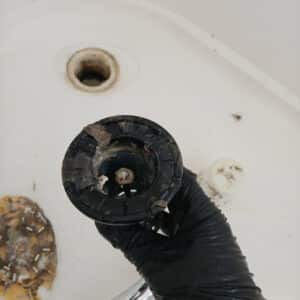
A blocked shower drain happens when water can’t pass freely through the waste pipe, causing slow drainage, puddles and unpleasant smells. This guide explains why shower drains block, how to spot common causes, safe DIY methods using natural products, when to call in a pro, what professionals actually do to unblock shower drain, and simple prevention steps to keep drains flowing. You’ll get step-by-step techniques — hot-water flushing, baking soda and vinegar treatments, safe plunging and manual removal — along with guidance on when to stop and seek professional help. There’s a clear note about service-area accuracy so you can make an informed decision about local help.
What Causes Shower Drains to Block and How Can You Identify Them?
Most shower blockages form when material builds up inside the trap and waste pipe, and narrows the flow. Hair and soap scum are the usual suspects; hard-water scale and accidentally flushed items can also reduce pipe diameter over time. Outside factors — tree roots or a damaged gully trap — can affect downstream connections and show up as slow drains inside. Start identifying the cause with a quick visual check of the grate and trap, then do basic triage, like removing visible debris. Those checks tell you whether a gentle DIY fix is likely to work or whether you’ll need professional equipment.
How Does Hair and Soap Scum Contribute to Shower Drain Blockages?
Hair and soap scum work together: strands tangle into a web that traps sticky soap and skin oils, turning a thin film into a dense mat that clings to the trap and pipe walls. Over weeks or months, this mass reduces the pipe’s internal diameter until water slows and pools. Hot water and scrubbing can remove light build-up, but once a hair mat forms in the U-bend, it usually needs mechanical removal. Seeing hair on the strainer is an early warning — removing it regularly prevents the thicker blockages that require more invasive work. Checking the grate and trap often is the first and simplest prevention step.
What Are the Common Signs of a Blocked Shower Drain?
Blocked shower drains give both functional and sensory clues that help locate the problem and judge its severity. Look for slow drainage, standing water after use, sewer-like odours, or gurgling and bubbling as air struggles past a restricted section. If more than one fixture (for example, the shower and a sink) drains slowly at the same time, the blockage is likely in a shared stack or further down the line rather than just at the shower trap. Do an initial strainer check, clear visible debris, then test with a hot-water flush to see if flow improves — that result will tell you whether to continue DIY steps or call a professional.
- Slow-draining water after a shower.
- Standing water is pooling in the shower tray.
- Persistent foul odours from the drain.
These signs help you prioritise your next steps and decide if a deeper inspection is needed.
What Are the Best DIY Methods to Unblock Shower Drain Naturally?
Begin with the least invasive fixes and only move to mechanical methods if they fail — soft blockages often clear with gentle measures. First, flush with hot (not boiling) water to loosen soap films and greasy residue; it’s safe for most fittings and keeps chemicals out of the system. Next, try baking soda and vinegar: the fizz helps dislodge organic build-up; follow with a hot-water flush to wash the debris away. If the clog stays put, use careful plunging or a drain snake (or a straightened wire) to remove hair, taking care not to damage plastic fittings. The table below compares common DIY options, the tools you need and their limits so you can pick the right approach.
| Method | Tools / Supplies | When to Use / Limitations |
|---|---|---|
| Hot water flush | Kettle (not boiling), bucket | Best for fresh soap scum or grease; avoid boiling water on plastic fittings |
| Baking soda & vinegar | 1 cup baking soda, 1 cup white vinegar, hot water | Effective for moderate organic buildup; wait 30–60 minutes before flushing |
| Plunger or manual removal | Cup plunger, glove, drain snake or straightened wire | Useful for traps and shallow clogs; risk of pipe damage if forced |
This table underlines that gentle methods are the safest first step, and mechanical tools are the sensible next move when thermal or natural remedies don’t work.
How to Use Baking Soda and Vinegar to Clear Shower Drain Clogs?
Baking soda and vinegar produce a fizzy reaction that loosens soft organic deposits and breaks the surface tension on greasy residues, making them easier to flush out. Pour one cup of baking soda into the drain, followed by one cup of white vinegar, then cover the drain to focus the reaction and leave it for 30–60 minutes. After waiting, flush with strong hot water (not boiling) to carry the loosened material through the trap. This method is eco-friendly and avoids caustic chemicals, but tightly tangled hair or solid objects usually need mechanical extraction.
What Is the Proper Way to Use a Plunger or a Wire Coat Hanger for Shower Drain Clearing?
A plunger works by creating pressure changes that can dislodge clogs if you get a good seal and the blockage is within reach; use a cup-style plunger and seal around the drain before giving steady, forceful strokes. For fishing hair, a straightened wire coat hanger with a small hooked tip can pull visible hair from the trap — wear gloves and be careful not to scratch or bend plastic pipes. A proper drain auger is preferable when plunging or hanger methods don’t reach the clog, because augers go deeper and apply controlled force without improvised metal tools. Stop manual attempts if you feel hard resistance, hear grinding, or see worse flow, and call a professional to avoid damaging your pipework.
After reasonable DIY attempts, know when to ask for help — the next section explains clear escalation signs and what professionals do diagnostically.
When DIY fails, or the problem is clearly beyond a simple trap clean, it’s time to call a professional.
Only Drains is a specialist drain unblocking company operating in Napier, Hastings, and the wider Hawke’s Bay region of New Zealand. We provide 24/7 services for residential, commercial, and rental properties.
When Should You Call a Professional Drain Cleaner in Auckland?
Call a professional when red flags point to a deeper or potentially risky problem that DIY can’t safely fix. Key triggers are repeated clogs after multiple DIY tries, persistent sewer odours, gurgling in several fixtures, visible leaks or cracked pipes, and water backing up into other drains. Professionals use diagnostic tools like CCTV cameras to inspect pipes and determine whether the issue is a trapped mass, structural damage, or external intrusion, such as roots. Response time and cost depend on the method required, but bringing in a pro early can prevent property damage and larger repair bills later.
For enquiries, quotes, and bookings, contact Only Drains on +64 21 499 351. This is the quickest way to arrange an inspection or emergency attendance where local service is available.
What Are the Signs That DIY Methods Are Not Enough?
If the same blockage comes back within 24–48 hours, or multiple fixtures are affected, DIY fixes probably won’t hold. Persistent foul smells after cleaning suggest organic matter deeper in the line, and water backing up into other outlet points to a blockage on a shared drain or sewer line. Gurgling or slow drainage across several fixtures usually means a systemic issue rather than a single trap. In these situations, professionals use diagnostic tools and targeted cleaning to find and remove the root cause, lowering the chance of recurrence.
How Can Professional Services Prevent Recurring Shower Drain Blockages?
Professionals offer more than a one-off unblock. Options include hydro-jetting to remove stubborn scum, scheduled maintenance visits to clear buildup before it causes trouble, and CCTV inspections to monitor pipe condition. Regular professional cleanings remove deep residue that household methods miss, reducing callouts and extending pipe life. Where CCTV reveals worn pipe sections or root ingress, targeted repairs or root cutting stop repeat problems. A maintenance plan based on your toilet, sink and shower use keeps small issues from becoming emergencies.
What Professional Drain Unblocking Services Are Available for Shower Drains in Auckland?
Professional services cover a spectrum: mechanical snaking, high-pressure hydro-jetting and diagnostic CCTV — each suited to different problems. Mechanical snaking (augering) works well for hair tangles and small obstructions near access points; hydro-jetting uses high-pressure water to scour grease, soap scum and scale further down the line. CCTV inspection gives a clear visual record of the pipe interior so technicians can diagnose misalignments, cracks or root intrusion that cleaning alone won’t fix. The table below summarises typical services, what they do and when they’re recommended so you can match the fix to the problem.
| Service | What It Does | Typical Outcomes & When It’s Recommended |
|---|---|---|
| Mechanical snaking | Rotating auger cuts/pulls blockages | Clears hair and small obstructions near access points; quick and cost-effective |
| Hydro-jetting | High-pressure water scour | Removes grease, soap scum and mineral deposits; best for recurring or extensive buildup |
| CCTV inspection | In-pipe camera survey | Pinpoints block location, pipe damage or root ingress; informs targeted repair plans |
Only Drains is a specialist drain unblocking company operating in Napier, Hastings, and the wider Hawke’s Bay region of New Zealand. We provide 24/7 services for residential, commercial, and rental properties. Our core services include comprehensive drain unblocking, hydro-jetting, tree root cutting, CCTV inspections (pipeline, pre-purchase, service locating, as-builts), and drain repairs. Key benefits: 24/7 availability, local Hawke’s Bay expertise, advanced technology (hydro-jetting, high-resolution CCTV), and comprehensive solutions. We quote a 90% customer satisfaction rate, run a “$70 Drain Unblocking Special” for common outside gully trap blockages using the drain rod technique, and offer a 15% discount for senior citizens and Grey Power members.
How Does Hydro-Jetting Effectively Clear Stubborn Shower Drain Blockages?
Hydro-jetting forces water at high pressure through specialised nozzles to scour pipe walls and dislodge grease, soap scum and scale. Rather than just punching a hole through a clog, it restores the full pipe diameter, which reduces the chance of rapid recurrence and improves long-term flow. Hydro-jetting uses only water, so it’s environmentally friendly, but it should be done by trained operators who assess pipe condition first. For persistent or extensive buildups, hydro-jetting is often the most effective option; if pipe integrity is in doubt, pair it with a CCTV inspection first.
What Role Does CCTV Inspection Play in Diagnosing Shower Drain Problems?
CCTV inspection puts a high-resolution camera inside the drain to locate the obstruction and inspect the pipe condition, removing guesswork and helping technicians pick the least invasive fix. Footage shows block type (hair mat, grease, foreign object), pipe defects (cracks, collapses) and external intrusions (tree roots), and provides a record for quoting and repair planning. CCTV avoids unnecessary excavation and ensures hydro-jetting or repairs target the right section, saving time and money. Technicians can share the footage with you and recommend a clear course of action based on what they find.
How Can You Prevent Future Shower Drain Blockages?
Prevention mixes simple household habits with occasional professional checks to stop deep residue from building up. Daily and weekly routines — clear visible hair from strainers, rinse the tray and grate with hot water after heavy use, and use a good drain strainer — lower the organic load entering the trap. Monthly baking soda and vinegar maintenance flushes help stop films from becoming mats, and annual or biennial professional hydro-jetting and CCTV checks catch slow buildups and hidden defects early. A steady prevention schedule pairs low-cost household actions with periodic professional maintenance for the best long-term results.
Practical prevention checklist:
- Install and clean a drain strainer weekly to catch hair.
- Flush drains monthly with baking soda, vinegar and a hot water rinse.
- Schedule professional inspection or cleaning every 12–24 months for high-use properties.
Following this routine reduces emergency callouts and prolongs pipe life.

What Maintenance Tips Help Keep Shower Drains Clear of Hair and Soap Scum?
Small chores make a big difference: remove hair from the strainer after each shower, wipe the tray to remove product residue, and run a hot-water flush weekly to dissolve light scum before it sticks. Use a soft brush or old toothbrush to clean the visible trap and underside of the grate where hair collects — this keeps wear on pipework low. For rental or high-occupancy properties, check more often and consider a monthly baking soda and vinegar treatment. These household measures reduce the load that eventually needs professional cleaning and are your first line of defence.
Which Products and Habits Should Be Avoided to Protect Your Shower Drain?
Don’t pour grease, paint or other sticky liquids down the drain, and don’t flush non-biodegradable items (wipes, cotton pads, dental floss) — they trap hair and build blockages. Avoid frequent use of harsh chemical drain cleaners: they’re caustic to skin and can damage older metal or plastic joints over time. Also, avoid improvised tools that could deform or puncture plastic pipes — when manual methods fail, a trained technician with the right tools is the safer choice. Good disposal habits and a physical strainer cut the long-term risk of blockages.
Why Choose Professional Drain Unblocking Services in Auckland?
Professionals deliver speed, thoroughness and diagnostic precision that household methods can’t match — especially for recurring or deep blockages. Experienced technicians bring local knowledge of common causes and layouts, plus specialist equipment like high-resolution CCTV and hydro-jetting, to diagnose and fix problems quickly while keeping disruption to a minimum. This matters where multiple fixtures share a drain line or hidden damage is suspected; pros can recommend targeted repairs based on inspection footage rather than guesswork. When choosing a provider, confirm service area coverage, response times and any current offers that may apply.
What Are the Benefits of 24/7 Local Expertise and Advanced Technology?
24/7 response shrinks the time water damage or sanitary issues can worsen, and local technicians understand regional causes and pipe layouts, which speeds diagnosis. Advanced tools such as hydro-jetters and CCTV enable targeted cleaning and precise repair recommendations, cutting the chance of repeat visits. Combining local know‑how with technology gets you faster first-time fixes, fewer excavations and better value — especially important in urgent or complex cases where speed and accuracy matter most.
How Do Affordable Pricing and Customer Satisfaction Influence Service Choice?
Transparent pricing and strong customer feedback give confidence when selecting a specialist — vital for emergency or larger repairs with variable costs. Only Drains advertises a “$70 Drain Unblocking Special” for common outside gully trap blockages using the drain rod technique and offers a 15% discount for senior citizens and Grey Power members; such deals can make routine callouts easier to budget. Always confirm current pricing, coverage and eligibility when you call to ensure the special applies. Balancing cost with equipment capability and customer reviews helps you pick the right provider for long-term drainage health.
- Confirm local coverage and availability: Make sure the provider operates in your area and can respond when needed.
- Compare diagnostic capabilities: Providers with CCTV and hydro-jetting can diagnose and fix more complex issues.
- Check for transparent pricing and eligible discounts: Specials and concessions cut upfront cost and improve value.
These checks help homeowners choose a provider who delivers effective, affordable and reliable drain maintenance and repairs.
Frequently Asked Questions
What preventive measures can I take to avoid shower drain blockages?
Prevent blockages with a simple routine: fit a drain strainer and clean it weekly, remove visible hair after showers, and flush the drain with hot water after heavy use. Do a monthly baking soda and vinegar treatment to stop residues from hardening, and book a professional inspection or clean every 12–24 months for high-use homes. These steps dramatically cut the chance of clogs and lengthen the life of your plumbing.
How often should I schedule professional drain cleaning services?
We recommend professional cleaning every 12–24 months, depending on how many people use the bathroom and how often. High-occupancy properties or homes with frequent drainage issues may need checks more often. Regular professional maintenance catches problems early and saves you from costly emergency repairs. If you notice recurring slow drainage or foul odours, call a pro sooner.
What should I do if I notice multiple drains are slow to drain?
If several drains are slow, you’re likely looking at a main line or shared stack issue. In that case, avoid repeated DIY fixes and contact a professional drain service. Technicians will usually run a CCTV inspection to find the root cause. Tackling systemic issues early prevents bigger headaches and more expensive repairs later.
Are there any household products I should avoid using for drain cleaning?
Yes. Steer clear of harsh chemical drain cleaners — they’re caustic and can damage older pipes. Also avoid pouring grease, paint or non-biodegradable items down the drain. Instead, use natural methods like baking soda and vinegar and rely on physical strainers to catch debris. When in doubt, call a professional.
What are the signs that my shower drain needs immediate professional attention?
Get professional help if you notice constant foul odours, gurgling noises from several fixtures, visible leaks, or water backing up into other drains. Repeated clogs despite DIY attempts or extremely slow drainage are also red flags. Acting quickly prevents more serious plumbing damage and higher repair bills.
How can I tell if my plumbing system is at risk of serious issues?
Frequent clogs, slow drainage across multiple fixtures, persistent smells and unusual noises like gurgling or bubbling suggest your plumbing could be at risk. Water backing up into other drains often points to a main-line blockage. Regular inspections and maintenance help catch these risks early so you can fix them before they become major problems.
Conclusion
Clearing a blocked shower drain restores proper flow and gets rid of nasty odours, making your bathroom usable again. By understanding common causes, trying safe DIY methods and calling professionals at the right time, you can keep your plumbing in good shape. Don’t wait for blockages to get worse — take simple preventive steps now. For expert help and a full range of services, contact Only Drains to discuss solutions tailored to your property.